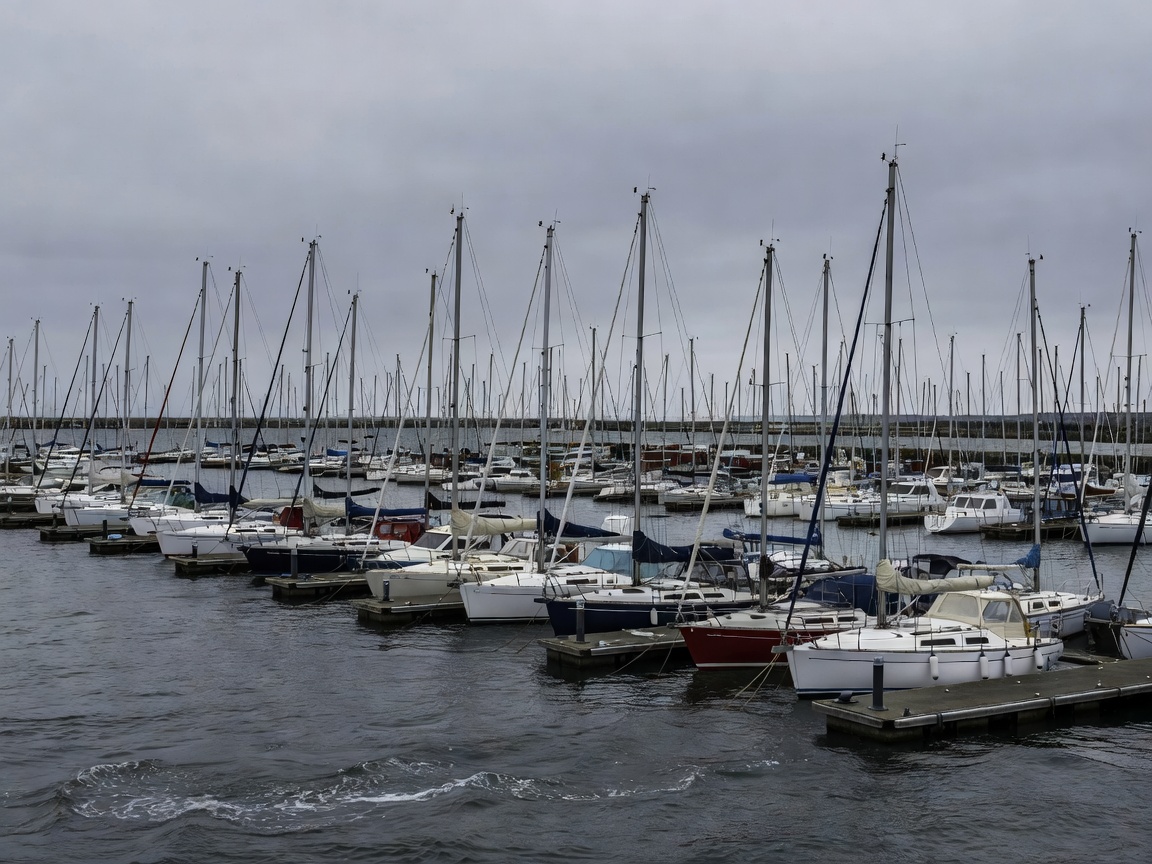
La Rochelle has built its identity around the sea. The Port des Minimes, often described as one of the largest leisure marinas on Europe's Atlantic coast, sits a short distance from the old harbour and its medieval towers. The area is also home to significant boatbuilders: Dufour Yachts builds on the outskirts of La Rochelle, and catamaran maker Fountaine Pajot is based a short drive inland. Each year the Grand Pavois boat show brings buyers, dealers and brokers to the Minimes.
Why the used market is deep
A large marina, an active racing and cruising scene and local production create a constant churn of boats. Owners trade up, sell after a few seasons or move boats on when they relocate. For buyers, that means more comparable boats in one place, easier access to surveyors, riggers and sailmakers, and a realistic chance of finding a popular model in several different conditions.
What you will find
Budget-minded searches around La Rochelle typically turn up older production cruisers from French yards — Dufour, Bénéteau and Jeanneau are well represented — along with small racer-cruisers used in local regattas. Lifting-keel and twin-keel boats appear more often here than on the Mediterranean because they suit tidal harbours and shallow anchorages. Catamarans are plentiful given the local industry, though they generally sit well above the entry-level bracket.
| Keel | Advantages | Considerations |
|---|---|---|
| Fin keel | Good windward performance; simple structure | Cannot dry out upright; deeper draught limits some anchorages |
| Twin (bilge) keels | Sits upright when the tide drops; shallow draught | Less upwind performance; check keel-to-hull joints |
| Lifting keel or centreboard | Very shallow draught when raised; flexible cruising | Pivot, lifting gear and keel box need inspection |
Tides, the Pertuis and Atlantic wear
Unlike the Mediterranean, the Atlantic coast has meaningful tides and currents. The sheltered waters of the Pertuis Breton and the Pertuis d'Antioche, between the mainland and the islands of Ré, Oléron and Aix, make La Rochelle an excellent place to learn. You will still need to plan around tidal streams and, at some harbours, around lock or sill access times.
Boats here face more rain, humidity and marine growth over a season. Check the antifouling history, look for blistering on the hull — a possible sign of osmosis in older polyester boats — and ask when the boat was last out of the water and what was done.
Pros and cons
Pros
- Large, varied stock concentrated in one marina.
- Strong local industry for parts, repairs and expertise.
- Sheltered learning waters between the islands.
- The boat show brings buyers and sellers together.
Cons
- Annual berths in a popular marina are in demand.
- Humidity and growth require regular hull maintenance.
- Tidal planning adds complexity for newcomers.
- Show season can briefly tighten stock and firm up prices.
Buying tips
- If the boat dries out on its mooring, view it at low water to see the keels and underside.
- Ask whether the boat has raced: racing boats often have better sails but harder-used rigs and deck gear.
- If you plan longer passages, check the boat's design category and the safety equipment required by French rules; the Division 240 regulations set equipment levels by distance from shelter.
- If VAT status matters — for example if you intend to keep the boat outside the EU — confirm the documentation before paying.
- Walk the marina pontoons: owners often know which boats are quietly for sale before they are listed.
Cruising from La Rochelle
The islands offer a ready-made cruising ground: Saint-Martin-de-Ré, the anchorages off Aix and the harbours of Oléron are all within reach of a small cruiser. Further afield, the coast north towards the Vendée and south towards the Gironde estuary opens longer passages for more experienced crews.