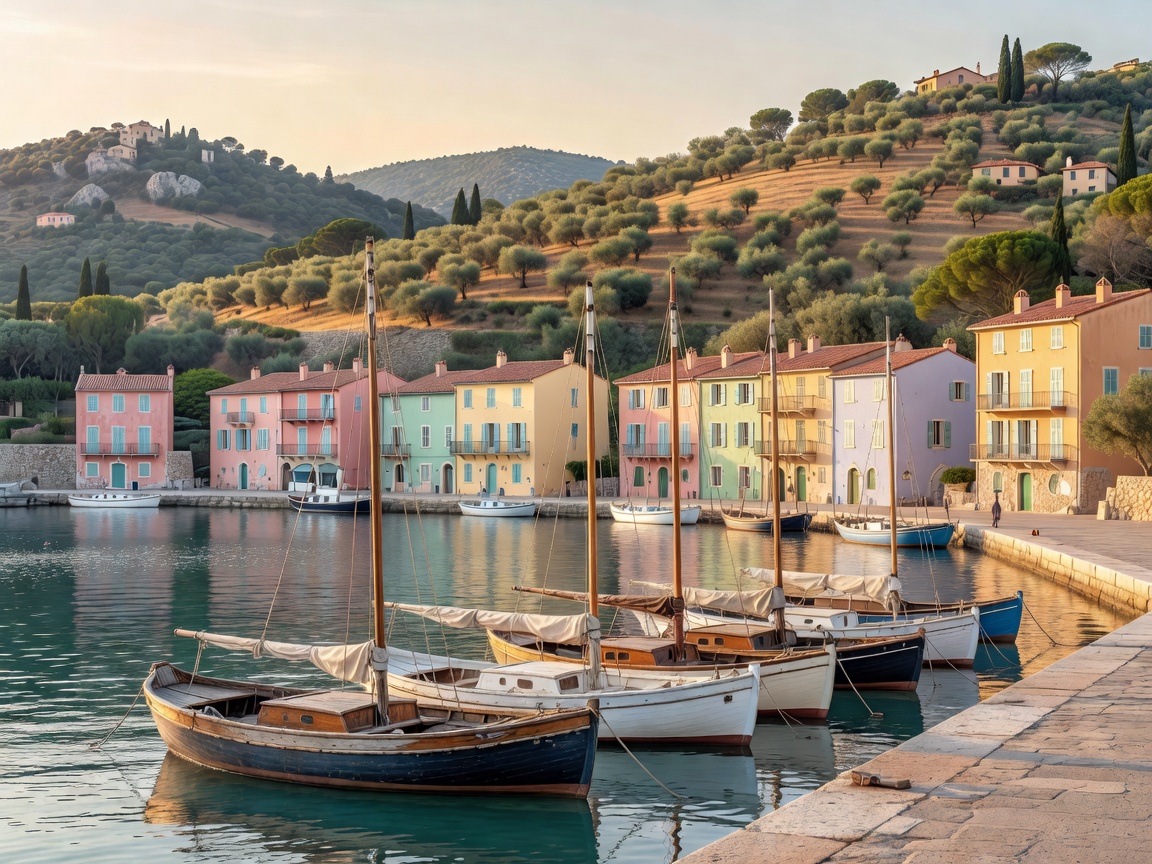
The French Riviera — from Cannes and Golfe-Juan through Antibes, Nice and Villefranche-sur-Mer to Menton near the Italian border — is where the world imagines French yachting. Antibes' Port Vauban is known for its superyacht quay, and the Cannes Yachting Festival each September is one of Europe's major in-water boat shows. It would be easy to assume there is nothing here for the budget buyer. That is not quite true.
Where value appears
Alongside the large yachts, Riviera harbours hold plenty of small and mid-size sailing boats owned by locals, many of them older French production boats. Some owners sell because they are moving away; others because keeping a boat on this coast is expensive. Motivated sellers and an international buyer pool create a market in which well-kept small cruisers do appear at accessible prices, even if the headline listings suggest otherwise.
The real cost is mooring
On the Riviera, berths are notoriously scarce and costly, and waiting lists at municipal ports can be long. Buying a boat here without a plan for where to keep it is the most common mistake. Realistic options include:
- Buying locally and moving the boat to a less pressured harbour along the Var coast, towards Marseille, or further to Corsica or Italy.
- Dry storage in a boatyard, launching only for the sailing season.
- Organised seasonal mooring areas (zones de mouillages et d'équipements légers) where they exist and allocation allows.
- A trailerable boat kept at home and launched from public slipways.
Comparing the Riviera with other regions
| Factor | French Riviera | Marseille | Atlantic coast |
|---|---|---|---|
| Mooring availability | Very tight | Tight | Varies; more tidal moorings |
| Choice at entry level | Moderate, mixed with luxury stock | Broad | Broad |
| Sailing conditions | Often lighter winds, summer calms | Frequent Mistral | Tides, swell, stronger weather |
| Typical wear | Sun, UV, long periods unused | Wind and sun | Humidity, growth, drying out |
Rules to know before you cruise
The Riviera is closely regulated in summer. Many beaches have buoyed swimming zones closed to boats, speed limits apply near the shore, and the maritime prefecture has introduced anchoring restrictions to protect posidonia seagrass meadows, particularly for larger vessels. Check current rules with the Préfecture maritime de la Méditerranée before planning your anchorages.
Pros and cons
Pros
- International pool of buyers, sellers and brokers.
- Motivated sellers leaving the region.
- Warm, generally moderate sailing season.
- Easy access to Monaco, Italy and Corsica.
Cons
- Berths are very scarce and expensive.
- Asking prices can reflect location more than condition.
- Boats may sit unused for long periods.
- Summer congestion and strict local rules.
Inspection priorities for Riviera boats
Boats that sit unused under strong sun often look immaculate while hiding problems. Pay particular attention to:
- Engines that have barely run — seals, impellers and fuel can degrade from lack of use.
- Perished hoses and hose clamps, especially on seacocks and the cooling system.
- Seacocks that may have seized from inactivity.
- UV-damaged sails, canvas and crazed deck hatches.
- Batteries left without charging, which may need replacing.
A sensible strategy
For many buyers, the smartest approach is to use the Riviera as a shopping ground rather than a home port. Search widely along the coast, view boats efficiently while you are in the region, and secure a realistic mooring or storage option before making an offer. That order of operations can save a great deal of stress after the sale.